
Tab Article
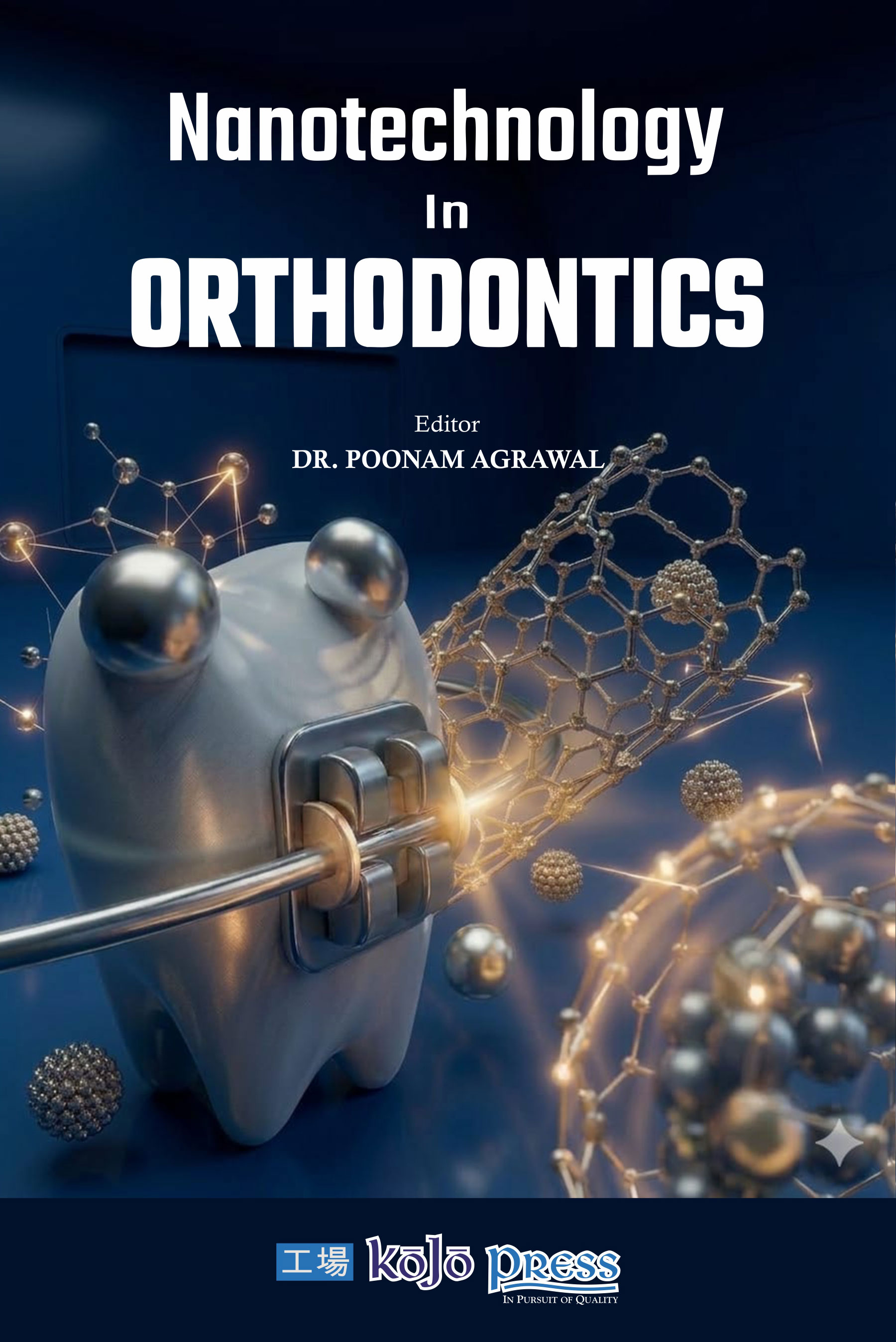
Nanotechnology in Orthodontics explores the emerging role of nanoscience in transforming contemporary orthodontic practice and research. With rapid advancements in materials science and biomedical engineering, nanotechnology has opened new avenues for improving the properties and performance of orthodontic materials, enhancing treatment efficiency, and promoting better patient outcomes.
This book provides a comprehensive overview of the fundamental concepts of nanotechnology and its applications in orthodontics. It introduces readers to the basic principles of nanoscale materials, their unique physical, chemical, and biological properties, and their growing relevance in dental science. The book highlights how nanotechnology is being integrated into orthodontic biomaterials, appliances, and therapeutic strategies to address some of the limitations of conventional orthodontic treatment.
The text discusses a wide range of topics including nanomaterials used in orthodontics, nano-modified archwires and brackets, antimicrobial nanoparticles, nano-coatings, nanocomposites, and nanoparticle-based drug delivery systems. Special emphasis is placed on the potential of nanotechnology to improve the mechanical strength, corrosion resistance, and antimicrobial properties of orthodontic materials, thereby reducing plaque accumulation, preventing enamel demineralization, and enhancing overall treatment efficiency.
In addition to current applications, the book also explores ongoing research and future directions in this rapidly evolving field. It highlights how interdisciplinary collaboration between orthodontics, nanotechnology, materials science, and biomedical engineering is driving innovation and expanding the possibilities for next-generation orthodontic therapies.
Written in a clear and structured manner, this book aims to bridge the gap between fundamental nanoscience and its clinical relevance in orthodontics. It is designed to serve as a valuable resource for undergraduate and postgraduate dental students, orthodontic residents, researchers, academicians, and clinicians who wish to understand the growing impact of nanotechnology in modern orthodontic practice.
By bringing together current scientific evidence and emerging research trends, Nanotechnology in Orthodontics provides readers with a comprehensive insight into a field that is poised to play a significant role in the future of orthodontic diagnosis, treatment, and biomaterial development.